

很多人對 K-pop 的第一印象,總是停留在華麗的舞蹈、同步到極致的編舞,以及那些青春洋溢的偶像團體,像 BTS 這樣的全球現象級組合,讓人覺得 K-pop 好像就是「視覺系流行音樂,用韓文唱的西方風格」。這種刻板印象其實已經存在很多年了,但如果你真的走進韓國的音樂圈,才會發現事情遠比表面複雜得多。其實 K-pop 的核心,從來不是只有舞蹈和包裝,而是唱功。我認識的一位在韓國生活、工作超過七年的聲樂教練就直言:K-pop 本質上是一個「歌手主導的產業」。
韓國 ballad 才是真正展現唱功的地方
想真正聽懂 K-pop 的聲音,就去聽 ballad 吧。韓國的抒情歌不像很多西方流行曲那樣靠後製疊層、Auto-Tune 撐場面,它們更講求歌手現場的耐力、長音的 legato 連貫、控制得宜的顫音,以及在高音區依然保持情感飽滿又不失乾淨的 tone。歌手必須在極高的音域裡,同時做到技術穩定和情感真摯,這種「運動員般的控制力 + 透明的情感表達」,正是韓國流行聲樂美學的精髓。
在韓國國內,大家對這種 vocal mastery 的尊重,從來沒少過。像 Park Hyo Shin 這樣的歌手,幾乎不靠舞蹈或視覺取勝,卻因為超強的聲音控制、情感深度和技術細膩度,被奉為國寶級 vocal。另一位被專業圈公認的怪物級歌手 SoHyang,她的共鳴轉換、力度層次、換聲點處理,簡直像教科書一樣精準,很多 vocal coach 都把她當成當代韓國音樂裡技術最頂尖的代表之一。
還有像 Gavy NJ 這樣的 vocal group,從早期就靠和聲豐富、技術要求極高的抒情歌,建立起長久的地位。其中一位成員 Jang Hee-young,更是許多人眼中的 vocal 典範。
偶像團體的唱功,其實比你想像的更硬核
別以為只有民謠歌手才厲害,那些滿場飛奔、邊跳邊唱的偶像,唱功要求其實更高。因為他們要在高強度舞蹈中,維持 pitch 準確、音色穩定、氣息不斷,這種「邊做高強度有氧運動邊精準演唱」的功夫,一般純現場歌手都覺得吃力,更別說還要保持表情管理跟舞台魅力了。所以韓國偶像絕對不是「會跳舞順便唱歌」,而是經過嚴格訓練的「混合型表演者」。
訓練很嚴,但天賦才是基礎
韓國娛樂公司的練習生制度確實超級硬核,像 SM Entertainment 從 BoA、TVXQ 到 EXO,一路培養出無數影響力巨大的藝人。但外人常忽略一點:這個系統之所以成功,是因為它們原本就篩選到非常有天分的人。技術是拿來打磨原石的,不是從零開始捏造。
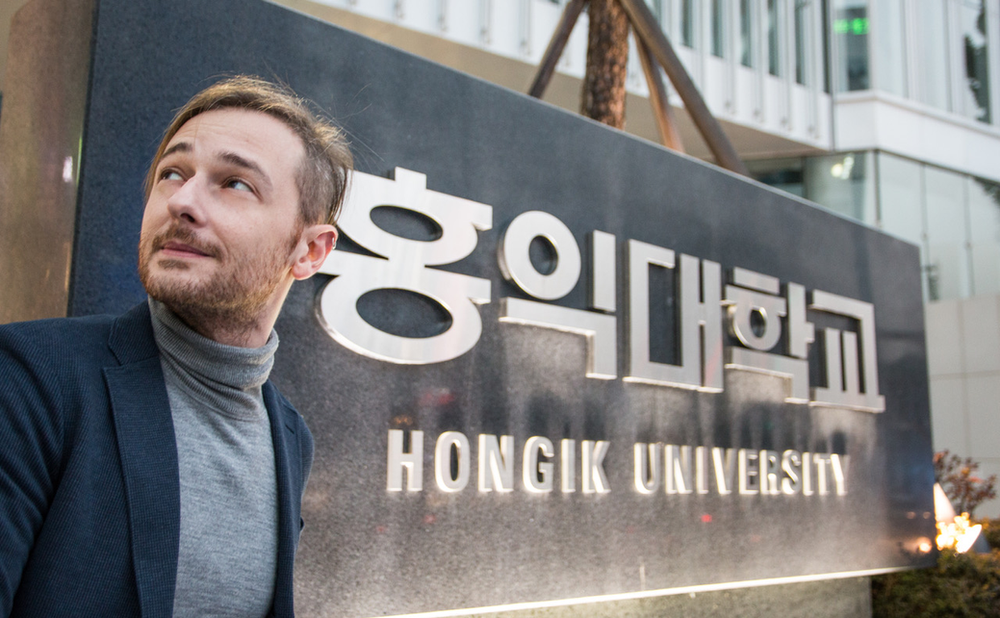
這位教練曾在香港的香港大學(Hongik University)教書多年(2013–2019),接觸過無數未來 K-pop 明星和音樂劇演員。他說,在那裡見到的 vocal 標準,讓他覺得西方的「流行唱歌訓練」簡直像休閒活動。韓國從學校合唱團到大學表演系,就已經把聲樂當成一門嚴肅的學問在培養。
很多藝人還能在流行、音樂劇之間自由切換。比如歌手 Lisa(정희선),從流行歌手轉型音樂劇,主演過《Rebecca》、《Bonnie & Clyde》等大製作,技術要求完全是另一個層級。
K-pop 已經走出「韓版西方流行」的階段
以前常聽到國外朋友開玩笑:「K-pop 不就是美國歌用韓文唱嗎?」但現在,K-pop 已經形成自己獨特的音樂語言:編曲思維、聲線處理、情感節奏、跨類型融合,都是透過韓國視角重新解構後的產物。
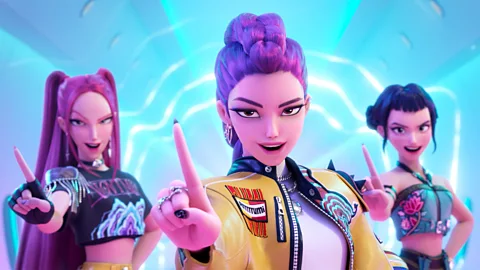
一個很明顯的例子,是 2025 年 Netflix 動畫電影《KPop Demon Hunters》的全球大熱原聲帶,尤其是獲獎歌曲 “Golden”。這首歌結構、製作層次、演唱方式完全是 K-pop 風格,卻幾乎全用英文演唱,還拿下金球獎最佳電影歌曲。這證明 K-pop 不再是「模仿者」,而是正在引領全球流行音樂的一種獨立架構。現在很多 K-pop 歌曲自然融入完整英文段落,不是為了模仿,而是變成一種全球共通的音樂語彙。
K-pop 從韓國小眾文化走到世界舞台,不單單是行銷厲害,而是因為它結合了嚴格的表演訓練、對聲樂技術的極致追求、跨類型靈活性、強大的旋律創作,以及真的能現場開唱的藝人。
世界一開始被舞蹈吸引,現在終於開始聽見那些聲音了。從偶像舞台到韓劇 OST,那些技術頂尖、情感飽滿的演唱,才是 K-pop 能長久走下去的真正動力。
身在韓國音樂圈這麼多年,這位教練最深的感受是:這裡培養的不只是「偶像」,而是一群世界上最頂尖的歌手之一。無論是撕心裂肺的 ballad,還是席捲全球的英文神曲,K-pop 正在用聲音,告訴全世界——它早就不是趨勢,而是實力。
---
Beyond the Stereotypes: The Real Rise of K-Pop from a Vocal Coach Inside Korea
For years, outside South Korea, K-pop was boxed into a very narrow image: perfectly synchronized dance routines, glossy visuals, and high-energy boy and girl groups like BTS. The global perception was that K-pop was mainly about choreography and production spectacle: catchy, yes, but often dismissed as “Western pop sung in Korean.”
That assumption couldn’t be further from the truth.
Having lived in Korea for seven years, including coaching several Korean celebrities, and continuing to work there professionally today, I’ve had a front-row seat to how deep, complex, and musically sophisticated this industry really is.
And if there’s one thing the world is only now beginning to understand, it’s this:
K-pop is, at its core, a singer’s industry.
The Ballad: K-Pop’s Technical Heart
If you want to understand K-pop’s vocal identity, listen to the ballads.
Unlike many Western pop productions that rely heavily on studio layering and effects, Korean ballads still spotlight live vocal stamina, sustained legato lines, controlled vibrato, and expressive phrasing across wide ranges. Singers are expected to deliver emotionally intense performances with technical reliability, often while maintaining pristine tone at high tessituras.
That balance between athletic control and emotional transparency is a defining trait of Korean vocal aesthetics.
The Side of K-Pop the World Didn’t See
While performance groups dominate international headlines, within Korea there has always been enormous respect for vocal mastery, especially in ballads and drama soundtracks.
Artists like Park Hyo Shin are revered not for dance moves or flashy visuals, but for extraordinary vocal control, emotional delivery, and technical finesse.
And then there is SoHyang, widely regarded by vocal professionals as one of the most technically advanced singers in contemporary Korean music. Her command of resonance shifts, dynamic shading, and register transitions demonstrates a level of technical fluency that transcends genre categories.
Artists such as “10CM” and “Car, the Garden” further show that K-pop isn’t a single sound, but a spectrum that includes indie-influenced textures, intimate storytelling, and subtle vocal artistry alongside mainstream idol production.
K-Pop is not a monolith. It encompasses a spectrum of styles, from energetic dance tracks to soulful ballads and indie-inspired sounds.
And long before global streaming caught on, vocal groups like Gavy NJ were building a long, prestigious career through vocal excellence, harmonically rich ballads that demand serious technique and blend. One of the voices from that era, Jang Hee-young — a singer I had the pleasure of coaching personally — represents the kind of vocal pedigree that quietly shaped Korea’s modern standard of pop singing.
But this doesn’t mean performance-driven K-Pop is any less vocally demanding. On the contrary, singing complex material while executing high-intensity choreography requires an extraordinary level of breath control, physical conditioning, and technical stability. Idols are not simply “dancers who also sing” ! They are hybrid performers trained to maintain vocal precision under athletic conditions that would challenge even seasoned live vocalists.
The ability to sustain pitch accuracy, tonal consistency, and stamina while performing intricate choreography is one of the most overlooked aspects of K-Pop’s technical sophistication.
Training Is Intense — But So Is the Talent
Yes, the Korean training system is famously demanding. Agencies like SM Entertainment have structured trainee programs that combine dance, vocal training, language study, stage performance, and media skills, often for years before debut. Over the decades, this system has produced generations of influential artists who shaped the global perception of K-Pop. From pioneers of the early Hallyu wave to internationally dominant groups, SM’s legacy includes acts such as BoA, TVXQ, EXO, and earlier vocal-driven projects like Fly to the Sky, the duo that first brought Brian Joo to national attention before his successful solo career.
But here’s what outsiders often miss:the system works because there is already immense raw talent to begin with.
Technique isn’t built from nothing. It’s refined. And in Korea, vocal training is taken seriously at a cultural level, from school choirs to university performance departments.
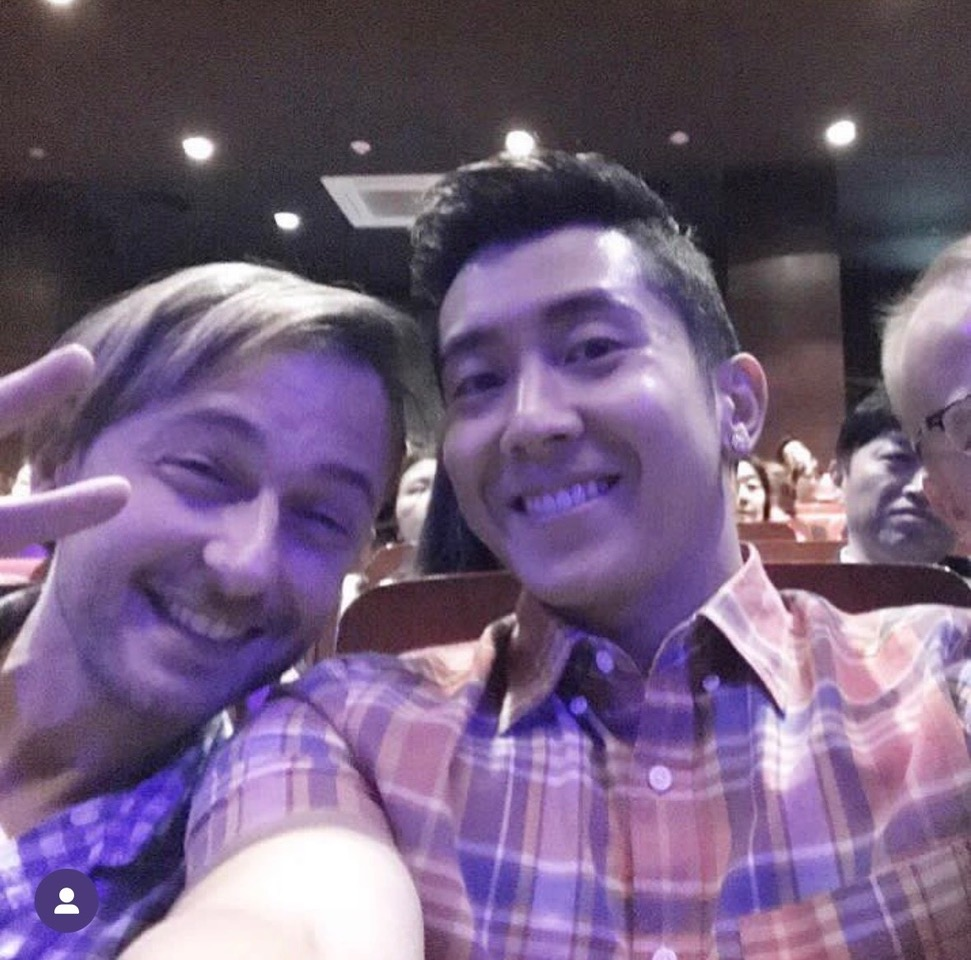
During my time teaching at the prestigious Hongik University (2013–2019), I encountered countless musical and K-Pop celebrities, many of whom continually pushed the boundaries of their craft. Hongik was a crossroads for talent; I spent my days (and many long nights until 2019) coaching students who would become the next generation of musical theater stars and K-Pop icons, alongside established performers who were already active in the industry and came to refine their craft at a higher technical level.It was there that I witnessed the true backbone of the industry: an uncompromising, technically demanding vocal standard that makes Western "pop training" look like a hobby.
Korea’s vocal ecosystem also encourages fluid movement between genres. Some artists who began in pop later built strong careers in musical theatre, where the technical demands are even more rigorous. One example is Lisa (리사), who transitioned from a pop career into leading roles in productions such as Rebecca and Bonnie & Clyde. I had the opportunity to work with her during that transition, witnessing firsthand the level of technical refinement required to move successfully between these worlds.
K-Pop Has Its Own Identity
Years ago, some of my American friends would joke: “Isn’t K-pop just American music in Korean?” At the time, I understood the confusion. Today, the music itself answers that question.
Modern K-pop doesn’t just borrow from global pop; it recombines it through a uniquely Korean lens of arrangement, vocal styling, emotional pacing, and genre blending.
A powerful example is the soundtrack of KPop Demon Hunters, a film with unprecedented global success, highlighted by the award-winning song “Golden.” The international success of this soundtrack showcases songs that are technically K-Pop in structure, production layering, and vocal delivery, yet performed almost entirely in English. This is a pivotal moment. It proves that K-Pop is no longer a “Korean version” of something else: it is a distinct musical architecture.
Meanwhile, more K-pop songs now weave full English phrases naturally into Korean lyrics, not as imitation, but as part of a global musical dialect K-pop helped shape.
This isn’t cultural borrowing anymore.It’s cultural leadership.
More Than a Trend
K-Pop’s journey from local subculture to global powerhouse is a testament to the artistry, discipline, and innovation of its creators. As the genre continues to evolve, its technical brilliance and emotional depth promise to captivate audiences for years to come.
What began as a regional industry is now a global force, but not because of marketing alone. K-pop’s rise reflects a combination of:
The world first noticed the choreography.Now it’s starting to hear the voices.
And those voices, from idol stages to drama soundtracks, are what will carry K-pop forward long after trends change.
The days of my American friends calling K-Pop a “derivative” are long gone. Having lived through the transition from 2013 to 2019, and continuing to work within this industry today, I see a landscape that is both magnificent and technically intimidating. Whether it is a heart-wrenching ballad or a global English-language hit, the world is finally seeing what I saw at Hongik years ago: a culture that doesn't just produce “idols,” but some of the most technically gifted vocalists on the planet.
About the author
Adjunct Professor in Performing Arts Medicine (Università Niccolò Cusano) and EMCI–TPSD (Estill Mentor & Course Instructor, Testing Privileges and Service Distinction), Francesco works at the intersection of vocal science, pedagogy, and performance psychology. He has trained performers from Tokyo to New York, coached artists from Broadway to K-pop, and teaches Estill Voice Training in seven languages. Appointed by Estill Voice International as the Chairman of the 2027 Estill World Voice Symposium in Hong Kong, the first to be hosted in Asia, he is shaping a new chapter in global voice education.
資料來源:men'reads
本文由《men'reads》授權報導,未經同意禁止轉載。
韓國 ballad 才是真正展現唱功的地方
想真正聽懂 K-pop 的聲音,就去聽 ballad 吧。韓國的抒情歌不像很多西方流行曲那樣靠後製疊層、Auto-Tune 撐場面,它們更講求歌手現場的耐力、長音的 legato 連貫、控制得宜的顫音,以及在高音區依然保持情感飽滿又不失乾淨的 tone。歌手必須在極高的音域裡,同時做到技術穩定和情感真摯,這種「運動員般的控制力 + 透明的情感表達」,正是韓國流行聲樂美學的精髓。
在韓國國內,大家對這種 vocal mastery 的尊重,從來沒少過。像 Park Hyo Shin 這樣的歌手,幾乎不靠舞蹈或視覺取勝,卻因為超強的聲音控制、情感深度和技術細膩度,被奉為國寶級 vocal。另一位被專業圈公認的怪物級歌手 SoHyang,她的共鳴轉換、力度層次、換聲點處理,簡直像教科書一樣精準,很多 vocal coach 都把她當成當代韓國音樂裡技術最頂尖的代表之一。
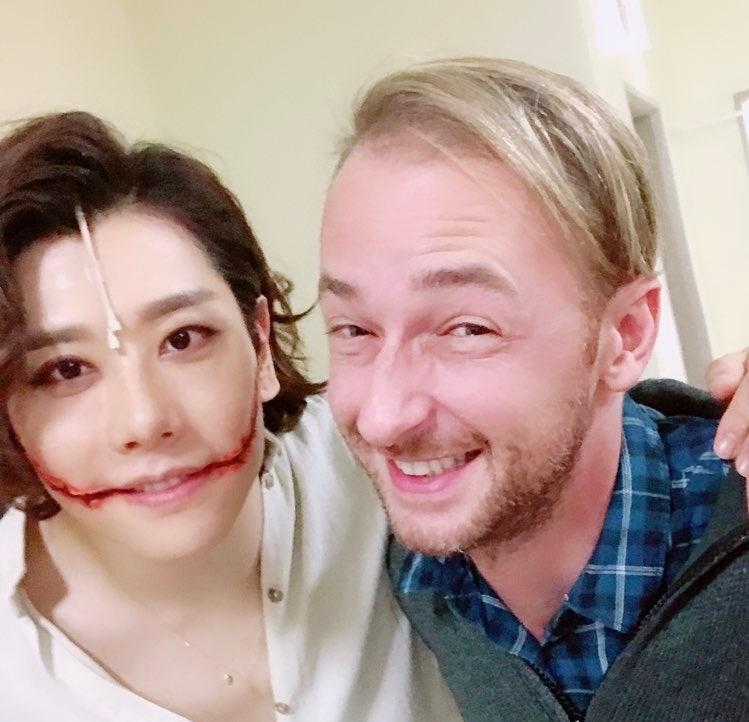
還有像 Gavy NJ 這樣的 vocal group,從早期就靠和聲豐富、技術要求極高的抒情歌,建立起長久的地位。其中一位成員 Jang Hee-young,更是許多人眼中的 vocal 典範。

偶像團體的唱功,其實比你想像的更硬核
別以為只有民謠歌手才厲害,那些滿場飛奔、邊跳邊唱的偶像,唱功要求其實更高。因為他們要在高強度舞蹈中,維持 pitch 準確、音色穩定、氣息不斷,這種「邊做高強度有氧運動邊精準演唱」的功夫,一般純現場歌手都覺得吃力,更別說還要保持表情管理跟舞台魅力了。所以韓國偶像絕對不是「會跳舞順便唱歌」,而是經過嚴格訓練的「混合型表演者」。
訓練很嚴,但天賦才是基礎
韓國娛樂公司的練習生制度確實超級硬核,像 SM Entertainment 從 BoA、TVXQ 到 EXO,一路培養出無數影響力巨大的藝人。但外人常忽略一點:這個系統之所以成功,是因為它們原本就篩選到非常有天分的人。技術是拿來打磨原石的,不是從零開始捏造。
這位教練曾在香港的香港大學(Hongik University)教書多年(2013–2019),接觸過無數未來 K-pop 明星和音樂劇演員。他說,在那裡見到的 vocal 標準,讓他覺得西方的「流行唱歌訓練」簡直像休閒活動。韓國從學校合唱團到大學表演系,就已經把聲樂當成一門嚴肅的學問在培養。
很多藝人還能在流行、音樂劇之間自由切換。比如歌手 Lisa(정희선),從流行歌手轉型音樂劇,主演過《Rebecca》、《Bonnie & Clyde》等大製作,技術要求完全是另一個層級。

K-pop 已經走出「韓版西方流行」的階段
以前常聽到國外朋友開玩笑:「K-pop 不就是美國歌用韓文唱嗎?」但現在,K-pop 已經形成自己獨特的音樂語言:編曲思維、聲線處理、情感節奏、跨類型融合,都是透過韓國視角重新解構後的產物。
一個很明顯的例子,是 2025 年 Netflix 動畫電影《KPop Demon Hunters》的全球大熱原聲帶,尤其是獲獎歌曲 “Golden”。這首歌結構、製作層次、演唱方式完全是 K-pop 風格,卻幾乎全用英文演唱,還拿下金球獎最佳電影歌曲。這證明 K-pop 不再是「模仿者」,而是正在引領全球流行音樂的一種獨立架構。現在很多 K-pop 歌曲自然融入完整英文段落,不是為了模仿,而是變成一種全球共通的音樂語彙。
K-pop 從韓國小眾文化走到世界舞台,不單單是行銷厲害,而是因為它結合了嚴格的表演訓練、對聲樂技術的極致追求、跨類型靈活性、強大的旋律創作,以及真的能現場開唱的藝人。
世界一開始被舞蹈吸引,現在終於開始聽見那些聲音了。從偶像舞台到韓劇 OST,那些技術頂尖、情感飽滿的演唱,才是 K-pop 能長久走下去的真正動力。
身在韓國音樂圈這麼多年,這位教練最深的感受是:這裡培養的不只是「偶像」,而是一群世界上最頂尖的歌手之一。無論是撕心裂肺的 ballad,還是席捲全球的英文神曲,K-pop 正在用聲音,告訴全世界——它早就不是趨勢,而是實力。
---
Beyond the Stereotypes: The Real Rise of K-Pop from a Vocal Coach Inside Korea
For years, outside South Korea, K-pop was boxed into a very narrow image: perfectly synchronized dance routines, glossy visuals, and high-energy boy and girl groups like BTS. The global perception was that K-pop was mainly about choreography and production spectacle: catchy, yes, but often dismissed as “Western pop sung in Korean.”
That assumption couldn’t be further from the truth.
Having lived in Korea for seven years, including coaching several Korean celebrities, and continuing to work there professionally today, I’ve had a front-row seat to how deep, complex, and musically sophisticated this industry really is.
And if there’s one thing the world is only now beginning to understand, it’s this:
K-pop is, at its core, a singer’s industry.
The Ballad: K-Pop’s Technical Heart
If you want to understand K-pop’s vocal identity, listen to the ballads.
Unlike many Western pop productions that rely heavily on studio layering and effects, Korean ballads still spotlight live vocal stamina, sustained legato lines, controlled vibrato, and expressive phrasing across wide ranges. Singers are expected to deliver emotionally intense performances with technical reliability, often while maintaining pristine tone at high tessituras.
That balance between athletic control and emotional transparency is a defining trait of Korean vocal aesthetics.
The Side of K-Pop the World Didn’t See
While performance groups dominate international headlines, within Korea there has always been enormous respect for vocal mastery, especially in ballads and drama soundtracks.
Artists like Park Hyo Shin are revered not for dance moves or flashy visuals, but for extraordinary vocal control, emotional delivery, and technical finesse.
And then there is SoHyang, widely regarded by vocal professionals as one of the most technically advanced singers in contemporary Korean music. Her command of resonance shifts, dynamic shading, and register transitions demonstrates a level of technical fluency that transcends genre categories.
Artists such as “10CM” and “Car, the Garden” further show that K-pop isn’t a single sound, but a spectrum that includes indie-influenced textures, intimate storytelling, and subtle vocal artistry alongside mainstream idol production.
K-Pop is not a monolith. It encompasses a spectrum of styles, from energetic dance tracks to soulful ballads and indie-inspired sounds.
And long before global streaming caught on, vocal groups like Gavy NJ were building a long, prestigious career through vocal excellence, harmonically rich ballads that demand serious technique and blend. One of the voices from that era, Jang Hee-young — a singer I had the pleasure of coaching personally — represents the kind of vocal pedigree that quietly shaped Korea’s modern standard of pop singing.
But this doesn’t mean performance-driven K-Pop is any less vocally demanding. On the contrary, singing complex material while executing high-intensity choreography requires an extraordinary level of breath control, physical conditioning, and technical stability. Idols are not simply “dancers who also sing” ! They are hybrid performers trained to maintain vocal precision under athletic conditions that would challenge even seasoned live vocalists.
The ability to sustain pitch accuracy, tonal consistency, and stamina while performing intricate choreography is one of the most overlooked aspects of K-Pop’s technical sophistication.
Training Is Intense — But So Is the Talent
Yes, the Korean training system is famously demanding. Agencies like SM Entertainment have structured trainee programs that combine dance, vocal training, language study, stage performance, and media skills, often for years before debut. Over the decades, this system has produced generations of influential artists who shaped the global perception of K-Pop. From pioneers of the early Hallyu wave to internationally dominant groups, SM’s legacy includes acts such as BoA, TVXQ, EXO, and earlier vocal-driven projects like Fly to the Sky, the duo that first brought Brian Joo to national attention before his successful solo career.
But here’s what outsiders often miss:the system works because there is already immense raw talent to begin with.
Technique isn’t built from nothing. It’s refined. And in Korea, vocal training is taken seriously at a cultural level, from school choirs to university performance departments.
During my time teaching at the prestigious Hongik University (2013–2019), I encountered countless musical and K-Pop celebrities, many of whom continually pushed the boundaries of their craft. Hongik was a crossroads for talent; I spent my days (and many long nights until 2019) coaching students who would become the next generation of musical theater stars and K-Pop icons, alongside established performers who were already active in the industry and came to refine their craft at a higher technical level.It was there that I witnessed the true backbone of the industry: an uncompromising, technically demanding vocal standard that makes Western "pop training" look like a hobby.
Korea’s vocal ecosystem also encourages fluid movement between genres. Some artists who began in pop later built strong careers in musical theatre, where the technical demands are even more rigorous. One example is Lisa (리사), who transitioned from a pop career into leading roles in productions such as Rebecca and Bonnie & Clyde. I had the opportunity to work with her during that transition, witnessing firsthand the level of technical refinement required to move successfully between these worlds.
K-Pop Has Its Own Identity
Years ago, some of my American friends would joke: “Isn’t K-pop just American music in Korean?” At the time, I understood the confusion. Today, the music itself answers that question.
Modern K-pop doesn’t just borrow from global pop; it recombines it through a uniquely Korean lens of arrangement, vocal styling, emotional pacing, and genre blending.
A powerful example is the soundtrack of KPop Demon Hunters, a film with unprecedented global success, highlighted by the award-winning song “Golden.” The international success of this soundtrack showcases songs that are technically K-Pop in structure, production layering, and vocal delivery, yet performed almost entirely in English. This is a pivotal moment. It proves that K-Pop is no longer a “Korean version” of something else: it is a distinct musical architecture.
Meanwhile, more K-pop songs now weave full English phrases naturally into Korean lyrics, not as imitation, but as part of a global musical dialect K-pop helped shape.
This isn’t cultural borrowing anymore.It’s cultural leadership.
More Than a Trend
K-Pop’s journey from local subculture to global powerhouse is a testament to the artistry, discipline, and innovation of its creators. As the genre continues to evolve, its technical brilliance and emotional depth promise to captivate audiences for years to come.
What began as a regional industry is now a global force, but not because of marketing alone. K-pop’s rise reflects a combination of:
- Rigorous performance training
- Deep respect for vocal technique
- Genre fluidity
- Strong melodic writing
- And artists capable of delivering live
The world first noticed the choreography.Now it’s starting to hear the voices.
And those voices, from idol stages to drama soundtracks, are what will carry K-pop forward long after trends change.
The days of my American friends calling K-Pop a “derivative” are long gone. Having lived through the transition from 2013 to 2019, and continuing to work within this industry today, I see a landscape that is both magnificent and technically intimidating. Whether it is a heart-wrenching ballad or a global English-language hit, the world is finally seeing what I saw at Hongik years ago: a culture that doesn't just produce “idols,” but some of the most technically gifted vocalists on the planet.
About the author
Adjunct Professor in Performing Arts Medicine (Università Niccolò Cusano) and EMCI–TPSD (Estill Mentor & Course Instructor, Testing Privileges and Service Distinction), Francesco works at the intersection of vocal science, pedagogy, and performance psychology. He has trained performers from Tokyo to New York, coached artists from Broadway to K-pop, and teaches Estill Voice Training in seven languages. Appointed by Estill Voice International as the Chairman of the 2027 Estill World Voice Symposium in Hong Kong, the first to be hosted in Asia, he is shaping a new chapter in global voice education.
資料來源:men'reads
本文由《men'reads》授權報導,未經同意禁止轉載。


請按此登錄後留言。未成為會員? 立即註冊